
Watch the whole herd
Changes in feed intake, rumination, milk and movement help identify problems early.
Livestock / Cow health
Healthy calves, sound udders and a resilient herd.
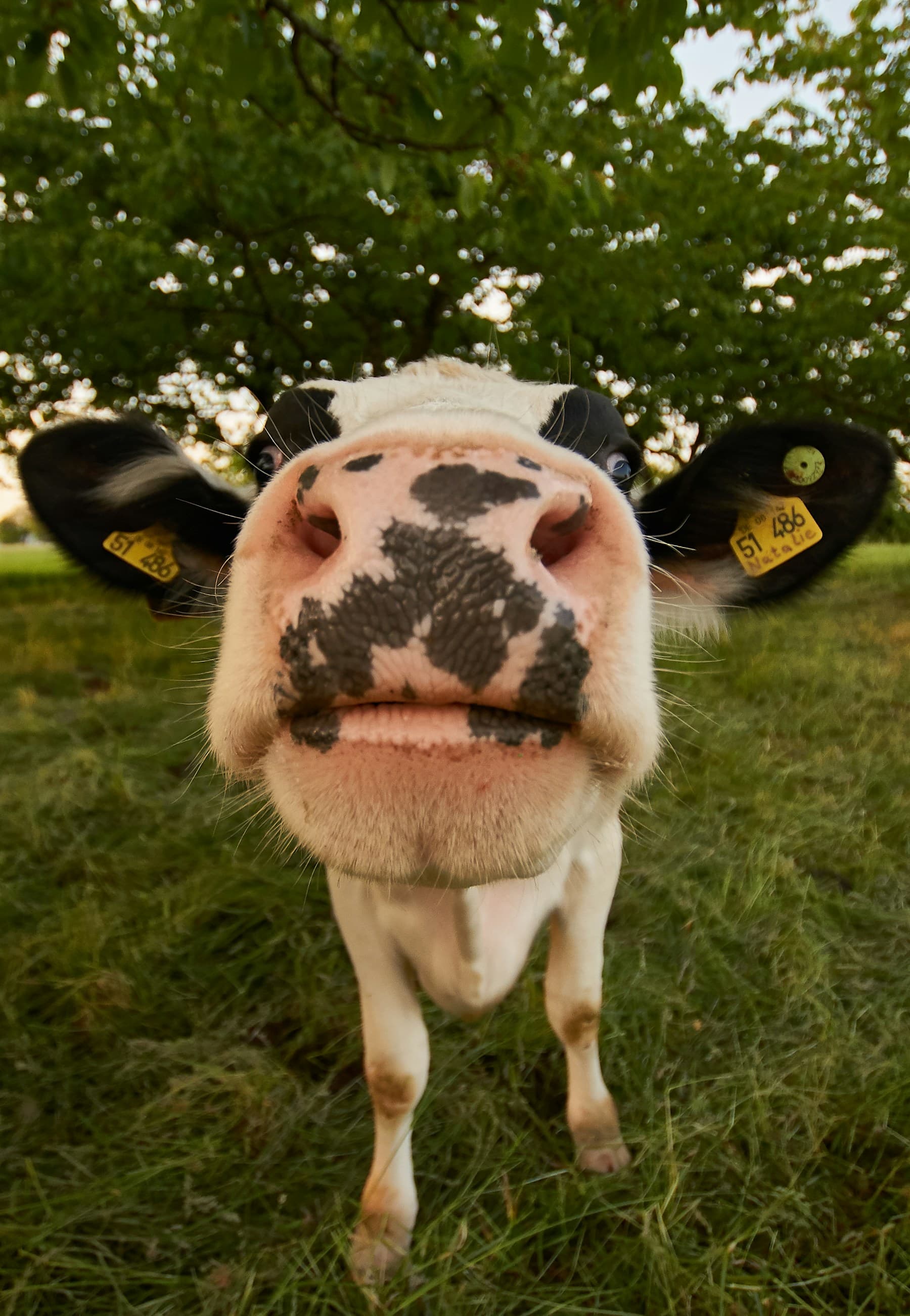 Healthy animals. Healthier herds.
Try cow udder swelling
Changes in feed intake, rumination, milk and movement help identify problems early.
Clean milking routines and newborn care are central to dairy management.
Log calving, breeding, treatments and production; keep withdrawal instructions with treatment records.
01 / A foundation of protection
Schedules vary with vaccine, region, health history and veterinarian guidance. These are life-stage milestones, not a universal dosing timetable.
colostrum and health review
local vaccination programme
parasite and feed review
planned veterinary care
boosters, udder and production review
Ask animal-husbandry services about FMD, haemorrhagic septicaemia, black quarter and locally relevant lumpy skin disease prevention.
Brucellosis prevention and vaccination must follow the official programme and eligible animal guidance.
Separate new/sick animals, clean equipment and review parasite risk with your veterinarian.
02 / Notice the changes
Open a symptom to understand possible causes and safer next steps. Symptoms alone cannot identify a disease.
A clearer next step
Choose an animal and a symptom, then check warning signs. This is an educational pathway, not a diagnosis.
Choose the animal you’re concerned about.
Choose the main symptom you’ve noticed.
Look for serious signs that need attention.
Are any of these warning signs present?
Your animal’s health and safety always come first.
This health guide provides general educational information and does not replace diagnosis or treatment by a qualified veterinarian.
03 / Understand the condition
Explore the condition, how it is assessed and the role of professional care.
A highly contagious livestock viral disease.
Read care guide +Inflammation of the udder; some cases are not visible.
Read care guide +A viral disease affecting cattle and water buffalo.
Read care guide +Gas accumulation distends the rumen.
Read care guide +Rumen upset can follow feed imbalance.
Read care guide +Internal and external parasites affect condition and production.
Read care guide +Breeding or calving problems require investigation.
Read care guide +Young calves are vulnerable to dehydration and infection.
Read care guide +Hoof injury and infection can impair mobility.
Read care guide +04 / Nourish with purpose
Supplementation should be based on diet, life stage and veterinary/nutrition guidance. More is not always better.
05 / Everyday foundations
Maintain clean, accessible water points; check flow and cleanliness daily.
Balance maintenance, growth, pregnancy and milk-production needs.
Use suitable forage and transition feeds gradually to support rumen function.
Choose an area-appropriate ration plan; feed and fodder mineral supply varies.
Provide shade, ventilation, dry bedding and sound footing; monitor body condition and yield.
06 / Make care a habit

Stronger animals. Healthier farms.
07 / Act early
Contact your local veterinarian or nearest veterinary hospital immediately for these signs. Do not wait for an online response.
Keep handling calm and safe. Do not give prescription drugs, force liquids or attempt invasive treatment yourself.
Veterinary pharmacy
Related products support a care plan. Their appearance here does not mean they treat a symptom or replace a veterinary examination.
Veterinary supplies for routine herd management, selected with vet guidance.
Cow and buffalo careVeterinary prescription/approval may be required.
Routine dairy-hygiene supplies arranged around practical farm workflows.
Cow and buffalo dairy careBasic herd and flock supplies for immediate support while veterinary help is arranged.
Farm care essentialsCatalogue entries represent existing care ranges. Buds Medico must confirm the exact product, species suitability, availability and final supply before fulfilment.
Source review: 11 September 2026. Educational content; not an individual veterinary assessment.
This health guide provides general educational information and does not replace diagnosis or treatment by a qualified veterinarian.
← Explore all four animals