Buds Medico
Cart0
Menu
Animal health hub/Buffalo health

Livestock / Buffalo health

Buffalo health.
Care shaped for buffalo herds.

Cooling, balanced feeding and everyday dairy care.
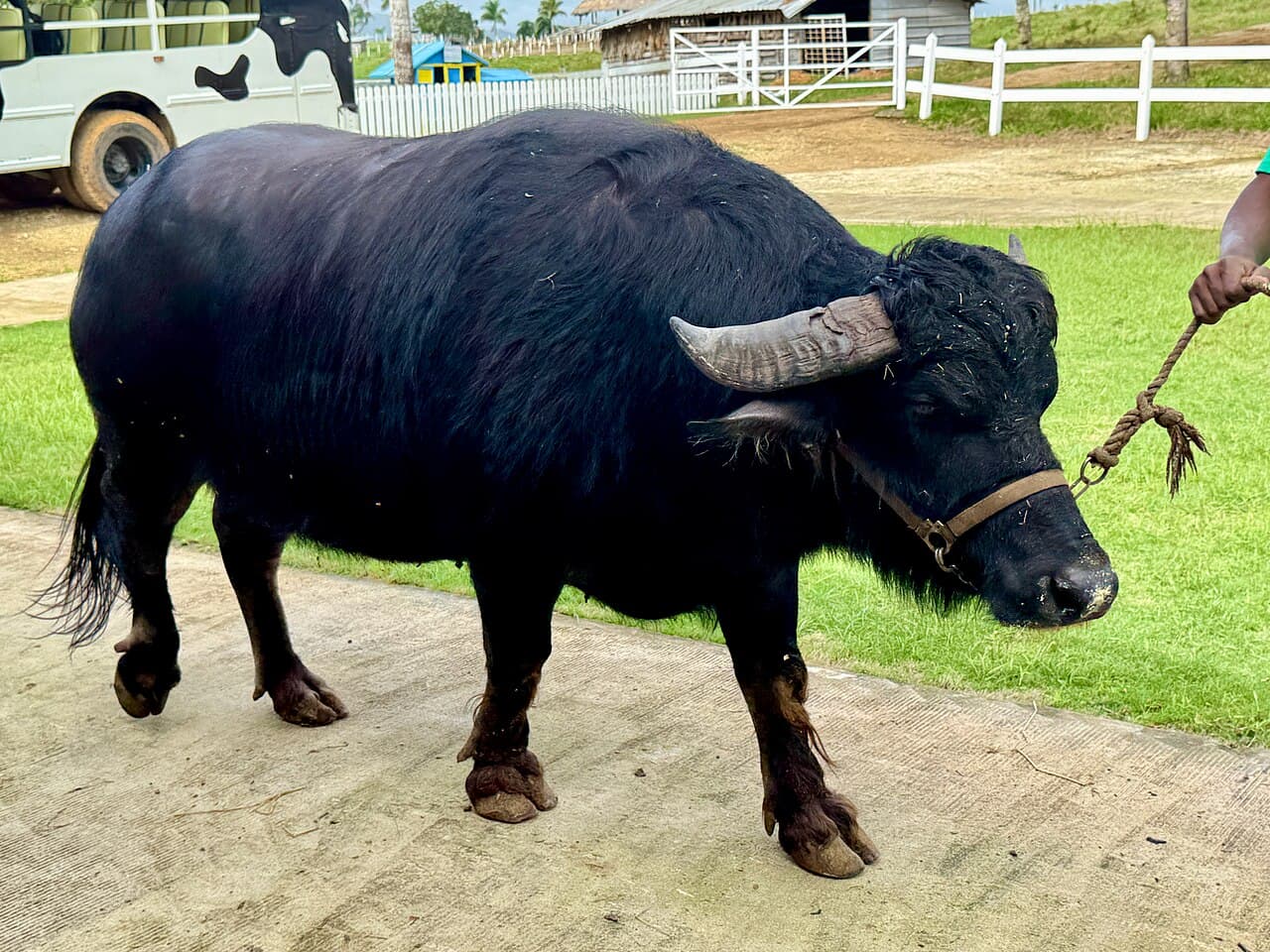
Buffalo health and wellbeingHealthy animals. Healthier herds.

Try buffalo mineral deficiency

Heat management matters

Buffalo dissipate heat less effectively than cattle. Shade, cooling and drinking water are daily priorities.

Dairy performance

Track appetite, rumination, milk changes and udder comfort alongside production.

Breeding observations

Record breeding and calving; discuss subtle or missed heat signs with your herd veterinarian.

01 / A foundation of protection

Vaccination & prevention

Schedules vary with vaccine, region, health history and veterinarian guidance. These are life-stage milestones, not a universal dosing timetable.

  1. 01

    Buffalo calf

    colostrum and hygiene

  2. 02

    Young stock

    local prevention plan

  3. 03

    Breeding

    condition and reproductive review

  4. 04

    Lactation

    udder, ration and cooling checks

  5. 05

    Seasonal review

    vaccines and parasites

Regional protection

Follow local animal-husbandry advice for FMD, haemorrhagic septicaemia and other locally relevant infections.

Before stressful seasons

Plan preventive reviews ahead of seasonal heat, rains and herd movements.

Parasite management

Match prevention to local grazing, water exposure and parasite testing; record withdrawal requirements.

NDDB · Dairy husbandry handbook

02 / Notice the changes

Symptoms & health checker

Open a symptom to understand possible causes and safer next steps. Symptoms alone cannot identify a disease.

RespiratoryHeat stress
What it means
Panting, seeking shade and reduced intake during heat.
Common possible causes
High temperature/humidity and inadequate cooling.
Basic supportive care
Move calmly to shade and offer drinking water and safe cooling while seeking advice.
Warning signs & when to seek care
Severe breathing effort, collapse or inability to drink is urgent.
AppetiteReduced feed intake
What it means
Less feeding or rumination.
Common possible causes
Heat load, ration problems, pain or disease.
Basic supportive care
Check cooling, water and feed quality; compare with usual intake.
Warning signs & when to seek care
Weakness, distension or rapid deterioration needs urgent veterinary care.
OtherMilk production changes
What it means
Unexpected yield or milk-quality change.
Common possible causes
Heat stress, udder disease or inadequate ration/water.
Basic supportive care
Record yield and inspect the udder; review cooling and feeding.
Warning signs & when to seek care
Abnormal milk or illness needs prompt assessment.
OtherUdder swelling
What it means
Painful, firm or enlarged udder tissue.
Common possible causes
Mastitis, injury or peripartum changes.
Basic supportive care
Keep handling hygienic and affected milk separate; seek an examination.
Warning signs & when to seek care
Weakness or rapidly worsening udder signs is urgent.
DigestiveBloating
What it means
Abdominal enlargement with discomfort.
Common possible causes
Rumen gas accumulation or digestive obstruction.
Basic supportive care
Call the veterinarian; avoid forced liquids and invasive home procedures.
Warning signs & when to seek care
Rapid swelling or breathing effort is an emergency.
DigestiveDiarrhea
What it means
Loose faeces or soiling.
Common possible causes
Feed changes, infection or parasites.
Basic supportive care
Provide clean water and separate sick calves; record feed changes.
Warning signs & when to seek care
A weak calf, blood or inability to drink needs urgent care.
SkinSkin irritation
What it means
Itching, sores or hair changes.
Common possible causes
External parasites, wet/dirty skin or infection.
Basic supportive care
Keep resting areas clean and inspect skin without harsh chemicals.
Warning signs & when to seek care
Extensive lesions, fever-like signs or rapid spread needs examination.
MovementLameness
What it means
Reluctance to walk or uneven weight bearing.
Common possible causes
Hoof injury, infection or painful joints.
Basic supportive care
Use dry non-slip flooring and minimise movement.
Warning signs & when to seek care
Inability to stand or severe pain requires urgent veterinary help.
ReproductiveReproductive changes
What it means
Missed heats, repeat breeding or abnormal discharge.
Common possible causes
Nutrition, heat stress or reproductive disease.
Basic supportive care
Keep breeding records and request a reproductive/feeding review.
Warning signs & when to seek care
Calving difficulty, prolapse or heavy bleeding is an emergency.
MovementCalf weakness
What it means
Poor suckling, inactivity or difficulty rising.
Common possible causes
Poor early nutrition, infection or dehydration.
Basic supportive care
Provide a safe clean area and call the vet; do not force liquids into a weak calf.
Warning signs & when to seek care
Unable to feed or stand needs urgent care.

A clearer next step

Something doesn’t seem right?

Choose an animal and a symptom, then check warning signs. This is an educational pathway, not a diagnosis.

Select animal

01

Choose the animal you’re concerned about.

Select symptom

02 ACTIVE

Choose the main symptom you’ve noticed.

Check warning signs

03 WAITING

Look for serious signs that need attention.

Watch for: Severe heat distress, collapse or difficult breathing · Rapid abdominal swelling · Down animal or calf unable to suckle · Difficult calving, prolapse or severe udder illness

Are any of these warning signs present?

Not sure what to select?Use the animal’s care guide or contact a veterinarian.
When in doubt, consult a veterinarian.

Your animal’s health and safety always come first.

This health guide provides general educational information and does not replace diagnosis or treatment by a qualified veterinarian.

03 / Understand the condition

Diseases & Treatment/Care

Explore the condition, how it is assessed and the role of professional care.

High when severe

Heat stress

Buffalo are especially vulnerable to inadequate heat loss.

Read care guide +
Common symptoms
Panting, reduced intake and falling production.
Possible causes / transmission
Hot conditions with insufficient shade, water or cooling.
Prevention
Shade, ventilation and hygienic cooling arrangements.
Diagnosis
Assessment of animal and environmental conditions.
Treatment/care approach
Safe cooling and drinking water; veterinary support for severe signs.
When to contact a veterinarian
Immediately for collapse or marked breathing distress.
NDDB · Summer stress in dairy animalsRelated health products →
Variable

Mastitis & udder health

Udder inflammation can affect buffalo milk and wellbeing.

Read care guide +
Common symptoms
Udder discomfort, altered milk or reduced yield.
Possible causes / transmission
Often infection associated with teat exposure.
Prevention
Hygienic milking and clean resting/cooling areas.
Diagnosis
Udder examination and milk testing.
Treatment/care approach
Veterinary treatment with milk/meat withdrawal compliance.
When to contact a veterinarian
Promptly for abnormal milk; urgently if weak or severely ill.
NDDB · Dairy husbandry handbookRelated health products →
High · report suspicion

Foot-and-mouth disease

Buffalo are susceptible to this contagious livestock infection.

Read care guide +
Common symptoms
Drooling, foot/mouth lesions and lameness.
Possible causes / transmission
Infected animals and contaminated materials.
Prevention
Local vaccination and biosecurity programmes.
Diagnosis
Veterinary assessment and laboratory confirmation.
Treatment/care approach
Stop animal movements and follow official outbreak guidance.
When to contact a veterinarian
Immediately when suspected.
WOAH · Foot-and-mouth diseaseRelated health products →
Variable

Parasite problems

Local grazing and environmental exposure influence parasite risk.

Read care guide +
Common symptoms
Poor condition, skin irritation or diarrhea.
Possible causes / transmission
Internal or external parasite exposure.
Prevention
Testing-informed prevention and environmental management.
Diagnosis
Skin/faecal examination and selected tests.
Treatment/care approach
A buffalo-appropriate plan with withdrawal guidance.
When to contact a veterinarian
For persistent signs, weight loss or weakness.
NDDB · Dairy husbandry handbookRelated health products →
Emergency with bloat

Digestive problems & bloat

Rumen upset or trapped gas can threaten health.

Read care guide +
Common symptoms
Reduced rumination, manure changes or swelling.
Possible causes / transmission
Ration imbalance, rapid changes or impaired gas release.
Prevention
Gradual feed transitions and adequate roughage.
Diagnosis
Veterinary rumen and ration assessment.
Treatment/care approach
Cause-specific care; rapid distension needs immediate help.
When to contact a veterinarian
Immediately for swelling with distress.
MSD Veterinary Manual · Bloat in ruminantsRelated health products →
Variable

Reproductive health

Breeding difficulty needs a buffalo-focused management review.

Read care guide +
Common symptoms
Missed heats, repeat breeding or abnormal discharge.
Possible causes / transmission
Heat stress, feeding, infection or reproductive problems.
Prevention
Breeding records, body-condition monitoring and cooling.
Diagnosis
Veterinary reproductive examination.
Treatment/care approach
Correct identified health/management causes; avoid unprescribed hormones.
When to contact a veterinarian
Urgently for calving difficulty or systemic illness.
NDDB · Dairy husbandry handbookRelated health products →
High in weak calves

Buffalo calf health

Early feeding and hygiene support vulnerable newborns.

Read care guide +
Common symptoms
Weak suckling, diarrhea or respiratory signs.
Possible causes / transmission
Infection, dehydration or inadequate early intake.
Prevention
Plan colostrum, clean housing and routine observation.
Diagnosis
Calf examination and selected tests.
Treatment/care approach
Veterinary feeding/fluid support and specific treatment as needed.
When to contact a veterinarian
Urgently for a calf unable to feed or stand.
NDDB · Dairy husbandry handbookRelated health products →
Assessment advised

Skin & hoof health

Skin and feet need attention alongside cooling and housing.

Read care guide +
Common symptoms
Sores, itching, hoof swelling or lameness.
Possible causes / transmission
Parasites, infection, injury or persistently wet/dirty surfaces.
Prevention
Clean cooling water, dry bedding and sound flooring.
Diagnosis
Skin/hoof examination; tests as needed.
Treatment/care approach
Skilled hoof care and diagnosis-based skin treatment.
When to contact a veterinarian
For persistent lesions, pain or impaired movement.
NDDB · Dairy husbandry handbookRelated health products →

04 / Nourish with purpose

Vitamins & minerals

Supplementation should be based on diet, life stage and veterinary/nutrition guidance. More is not always better.

01

Balanced mineral supply

What it supports
Growth, milk and reproduction
Dietary sources
Ration-specific, area-appropriate mineral mixture
Balance considerations
Investigate suspected mineral deficiency through ration review and testing.
Ca

Calcium

What it supports
Skeleton and milk production
Dietary sources
Forage and balanced mineral mixtures
Balance considerations
Calving-stage needs require a planned ration.
P

Phosphorus

What it supports
Growth and energy use
Dietary sources
Feeds and mineral mixtures
Balance considerations
Balance with calcium; more is not always better.
Mg

Magnesium

What it supports
Nerve and muscle function
Dietary sources
Forage and formulated mixtures
Balance considerations
Low intake can be serious; weakness needs a vet.
05

Salt

What it supports
Fluid balance
Dietary sources
A planned source of sodium and chloride
Balance considerations
Keep water freely available; avoid excessive salt.
06

Trace minerals

What it supports
Metabolism and reproduction
Dietary sources
Area-specific mixtures based on local feed
Balance considerations
Copper, zinc, iodine and selenium need careful balance.
07

Vitamins A, D & E

What it supports
Vision, bones and cell protection
Dietary sources
Forage and properly formulated feeds
Balance considerations
Storage, ration and life stage affect supply.
NDDB · Area-specific mineral mixtures

05 / Everyday foundations

Nutrition & basic needs

Water & cooling

Provide accessible drinking water, shade and hygienic showers or managed wallowing where suitable.

Balanced buffalo ration

Match energy, protein and roughage to body condition, pregnancy and lactation; avoid copying another herd’s concentrate amount.

Mineral supplementation

Review local feed/fodder supply before choosing a mixture.

Rest & footing

Provide dry resting areas alongside cooling facilities and comfortable walking surfaces.

Milk & fertility records

Track yield, breeding and intake together to spot management or health changes.

Clean water+Quality forage+Balanced energy & protein+Planned minerals→ Ration reviewed for life stage & production

06 / Make care a habit

Preventive care

  • Check shade, cooling and water access before the hottest part of the day.
  • Keep milking and cooling areas clean.
  • Coordinate seasonal parasite and vaccination reviews.
  • Monitor calf feeding, body condition and reproductive records.

07 / Act early

Emergency warning signs

Contact your local veterinarian or nearest veterinary hospital immediately for these signs. Do not wait for an online response.

  • Severe heat distress, collapse or difficult breathing
  • Rapid abdominal swelling
  • Down animal or calf unable to suckle
  • Difficult calving, prolapse or severe udder illness

Keep handling calm and safe. Do not give prescription drugs, force liquids or attempt invasive treatment yourself.

Veterinary pharmacy

Relevant veterinary essentials

Related products support a care plan. Their appearance here does not mean they treat a symptom or replace a veterinary examination.

Livestock Care

Herd health essentials

Veterinary supplies for routine herd management, selected with vet guidance.

Cow and buffalo care

Veterinary prescription/approval may be required.

Livestock Care

Dairy and udder hygiene

Routine dairy-hygiene supplies arranged around practical farm workflows.

Cow and buffalo dairy care
Livestock Care

Farm first-aid supplies

Basic herd and flock supplies for immediate support while veterinary help is arranged.

Farm care essentials

Catalogue entries represent existing care ranges. Buds Medico must confirm the exact product, species suitability, availability and final supply before fulfilment.

Sources & further reading

Source review: 11 September 2026. Educational content; not an individual veterinary assessment.

NDDB · Summer stress in dairy animalsNDDB · Dairy husbandry handbookNDDB · Area-specific mineral mixturesWOAH · Foot-and-mouth diseaseMSD Veterinary Manual · Bloat in ruminants

This health guide provides general educational information and does not replace diagnosis or treatment by a qualified veterinarian.

Buffalo photograph: Oleg Yunakov / Wikimedia Commons, CC BY-SA 4.0. Resized by Wikimedia; responsive display framing.

← Explore all four animals